Engineered for high thermal transfer efficiency, superior induction magnetic flux, and commercial kitchen durability.
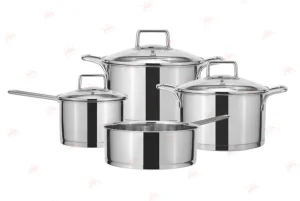
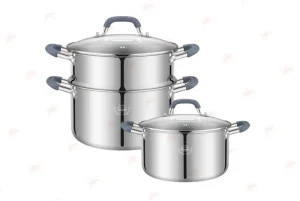
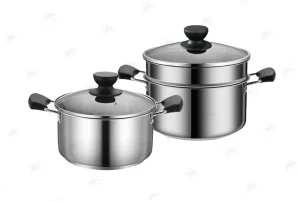
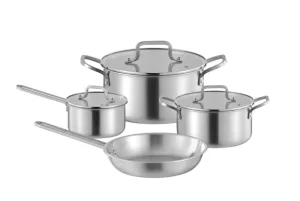
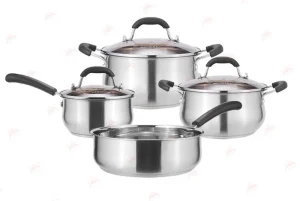
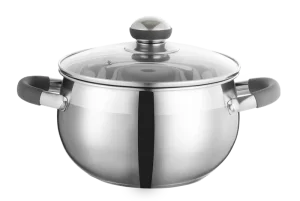
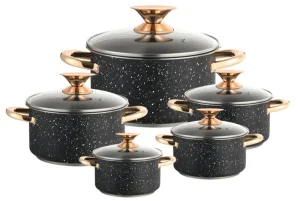
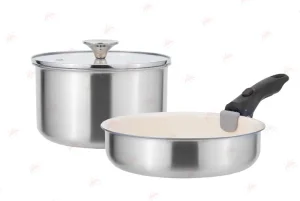
A technical evaluation of multi-clad metallurgical bonding and global culinary performance metrics.
In the evolving landscape of global commercial kitchen equipment and consumer culinary appliances, the demand for Famous 3 ply capsule bottom 6pcs sets has experienced an unprecedented surge. Modern gastronomy requires cookware that provides flawless thermal distribution, eliminates localized hotspots, maintains high thermal inertia, and functions seamlessly across diverse heating mediums—including electromagnetic induction, radiant ceramic glass, gas burners, and commercial electric plates.
A 3-ply capsule bottom (frequently designated as an encapsulated base or sandwich bottom) represents a triumph of materials science and mechanical engineering. Rather than relying on a single alloy sheet, which suffers from low thermal conductivity or susceptibility to warping under sudden thermal shock, encapsulated technology bonds three distinct metallic alloys together under ultra-high pressure impact friction welding:
Metallurgical Tri-Layer Composition:
1. Interior Contact Layer (Food Contact): Premium AISI 304 (18/10) Stainless Steel providing maximum corrosion resistance, non-reactivity with acidic food matrixes, and hygienic purity.
2. Core Thermal Conductor: High-Purity Pure Aluminum (AL 1050 / AL 3003) ranging from 3.0mm to 6.0mm in thickness, serving as the rapid thermal engine that diffuses heat laterally.
3. Exterior Induction Base Plate: Ferritic Stainless Steel AISI 430 (18/0) possessing optimal magnetic permeability to maximize energy capture from high-frequency induction magnetic fields.
The manufacturing process of the 3 ply capsule bottom 6pcs set requires heavy industrial capital equipment. The thermal transfer layer cannot simply be glued or shallowly pressed; doing so creates microscopic air pockets that degrade thermal conductivity and cause bottom delamination over repeated thermal expansion cycles. Leading manufacturing hubs, such as Chaozhou Chaoan Weihua Hardware and Electrical Appliances Co., Ltd., employ friction impact bonding presses operating at pressures between 2,500 and 3,500 metric tons combined with high-frequency induction pre-heating (reaching approximately 450°C to 500°C).
Under these extreme thermo-mechanical conditions, the solid-state aluminum core flows elastically, forging an atomic-level metallic bond with both the 304 stainless steel pot body and the 430 stainless steel bottom disc. This seamless integration ensures zero air voids, maximum structural stability up to thermal variances of 300°C, and exceptional energy efficiency.
| Parameter Metric | Single Bottom Cookware | Standard 3-Ply Capsule Bottom | Weihua Engineered 3-Ply Capsule |
|---|---|---|---|
| Thermal Conductivity (W/m·K) | 16.3 (SS 304 Only) | 140 - 160 (Combined) | 205 - 220 (High-Purity AL Core) |
| Heat Distribution Uniformity | Poor (High Hotspot Risk) | Good (<15°C Variance) | Superior (<3°C Variance across disc) |
| Induction Efficiency Factor | Low (Non-magnetic SS304) | 82% Energy Transfer | 94.6% Energy Transfer (AISI 430 Base) |
| Thermal Shock Resilience | Moderate (Prone to flexing) | High (Up to 200°C ΔT) | Industrial Grade (Up to 320°C ΔT) |
| Commercial Service Life | 1 - 2 Years | 5 - 7 Years | 10+ Years (Guaranteed Bond Integrity) |
Mapping global sourcing dynamics, regional consumer preferences, and institutional supply chain requirements.
The global demand for high-performance cookware has undergone a structural shift. Historically viewed as basic hardware commodities, products like the 6-piece 3-ply capsule bottom cookware set are now evaluated as precision culinary tools. Market intelligence indicates that the global stainless steel cookware market is projected to reach an estimated USD 14.8 Billion by 2030, driven by the expansion of international hospitality chains, growing culinary tourism, and increased consumer home-cooking sophistication.
Emphasis on heavy gauge side-walls (0.6mm-0.8mm), ergonomic stay-cool handles (silicone or cast stainless steel), dish-washer safety, and full compliance with FDA and US California Proposition 65 food-contact regulations.
Strict focus on LFGB (Lebensmittel-, Bedarfsgegenstände- und Futtermittelgesetzbuch) certifications, satin exterior finishes with metric capacity interior scale markings, and strict energy efficiency thermal absorption ratings under EN 12983-1.
High-volume commercial kitchens require reinforced rim designs to prevent pouring deformation, hollow athermic steel handles, high stockpot volume options, and capsule bottoms capable of continuous 18-hour daily duty cycles.
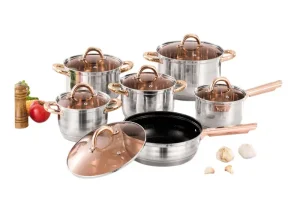
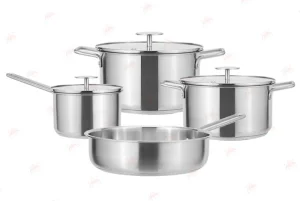
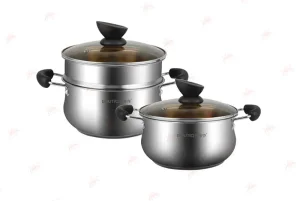
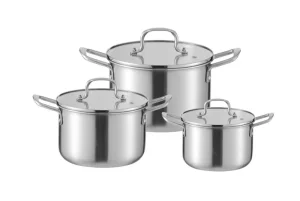
From an export logistics and merchandising optimization standpoint, the 6pcs set configuration (typically consisting of a 16cm Saucepan with Lid, 20cm Casserole with Lid, and 24cm Stockpot/Frying Pan with Lid) represents the golden ratio for consumer packaging efficiency and container load factor (CLF). The dimension proportions nest perfectly into master export cartons, reducing volumetric shipping costs per unit by up to 22% compared to irregular multi-piece configurations.
How 27+ years of manufacturing evolution established Weihua as a global OEM/ODM powerhouse.
Understanding China’s dominant position in stainless steel cookware manufacturing requires analyzing specialized industrial clusters. Located in South China, Chaozhou stands as an international nexus for stainless steel metallurgical processing and automated hardware manufacturing. At the apex of this industrial cluster is Chaozhou Chaoan Weihua Hardware and Electrical Appliances Co., Ltd.
Established in 1997, Weihua has evolved over nearly three decades from a specialized regional hardware facility into a high-tech cookware exporter with a facility spanning over 350,000 square feet, operating 35 fully automated production lines, backed by a workforce of over 300 skilled technicians and engineers. With a 10,000-square-meter RTS (Ready-to-Ship) warehouse, Weihua bridges the gap between high-volume customized OEM production and rapid-fulfillment wholesale logistics.
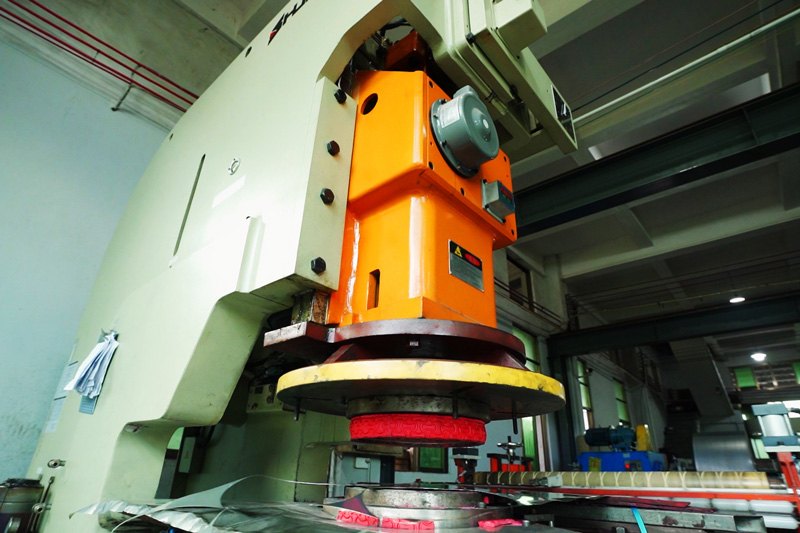
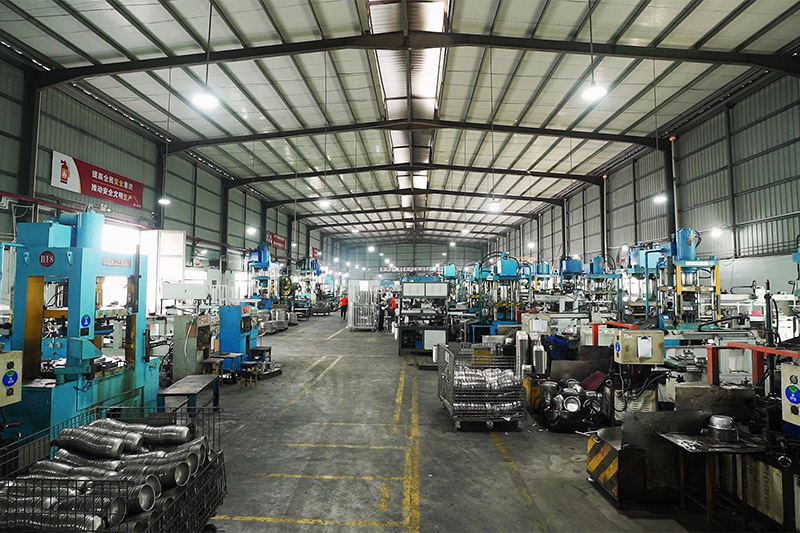
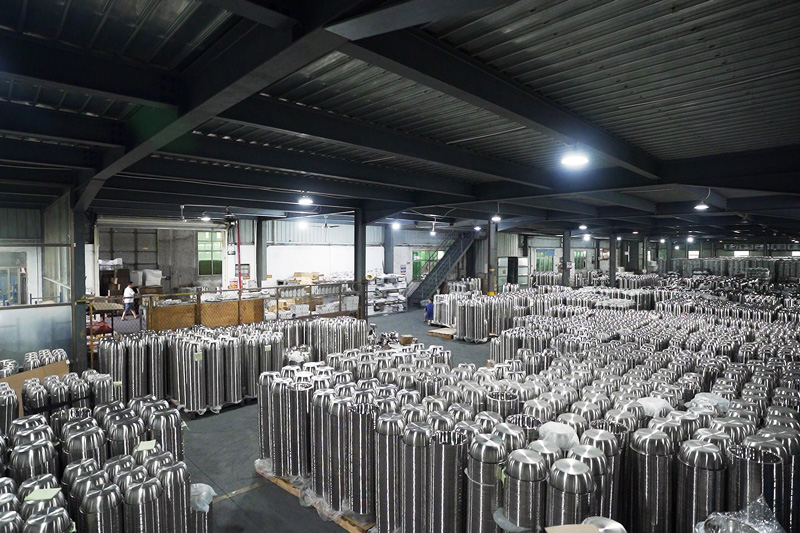
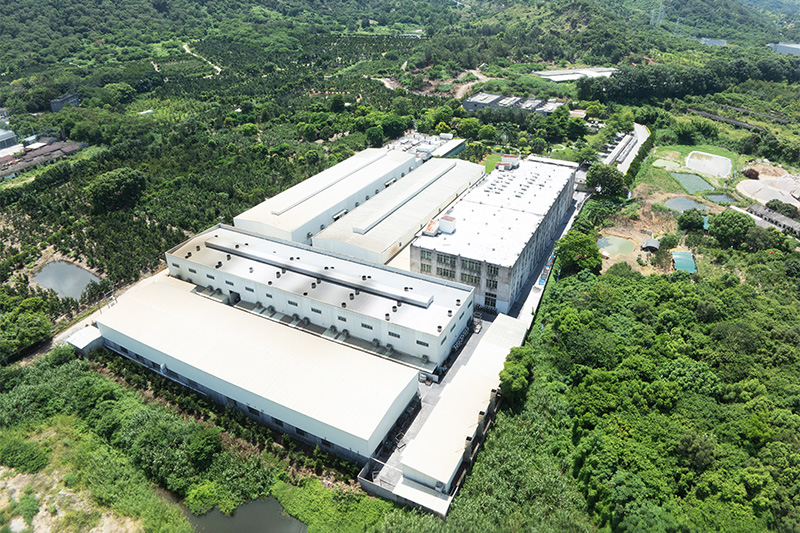
Continuous innovation transforms raw material into market-leading cookware. Weihua's consumer-oriented engineering team holds numerous structural patents, refining handle thermodynamics, lid seal dynamics, and capsule disc impact geometry.
Rather than diversifying into unrelated categories, Weihua concentrates exclusively on stainless steel cookware (casseroles, steamers, stockpots, frying pans) and precision mixing basins, ensuring deep domain expertise.
Standardized operational workflows minimize scrap rates, maintain tight wall-thickness tolerances (±0.02mm), and ensure batch-to-batch consistency across high-volume production orders.
Over 60% of Weihua’s international distribution partners have maintained active continuous manufacturing partnerships for more than 10 years, reflecting robust reliability and stable pricing structures.
To ensure total compliance across global markets, Weihua maintains comprehensive certification audit trails from leading third-party inspection institutions:
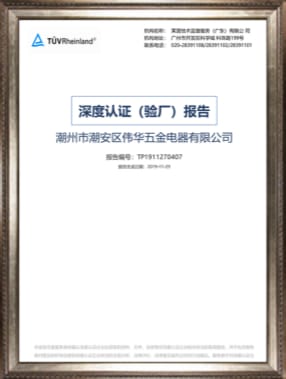
TUV Rheinland Certified Quality Systems
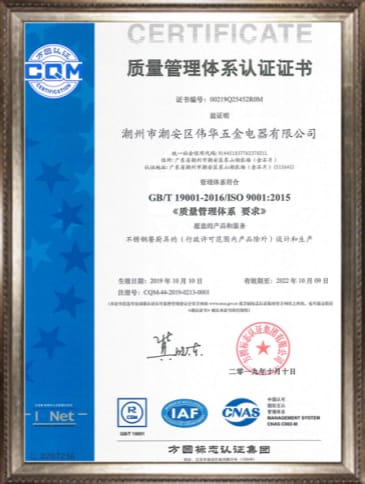
ISO-9001:2015 Quality Management Standard
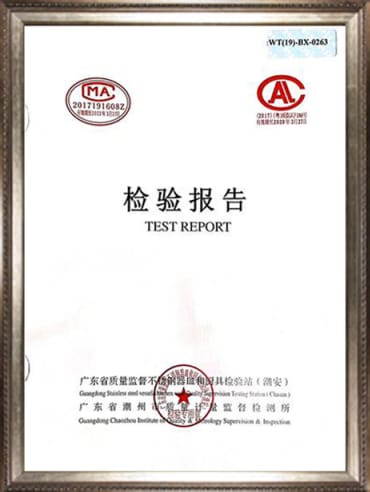
CMA China Accredited Testing Compliance
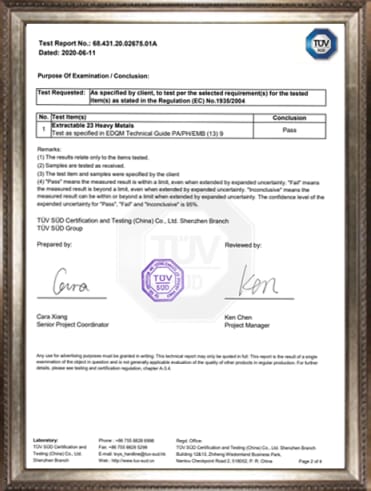
Germany LFGB Food Contact Approved
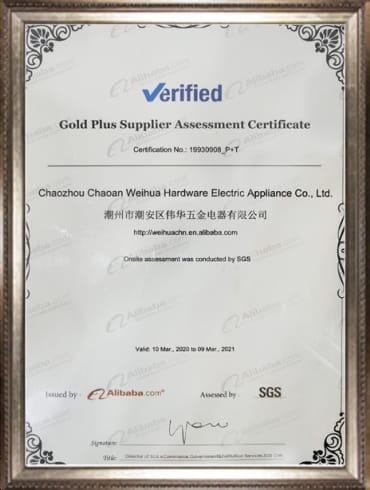
LFGB Chemical Safety Verified
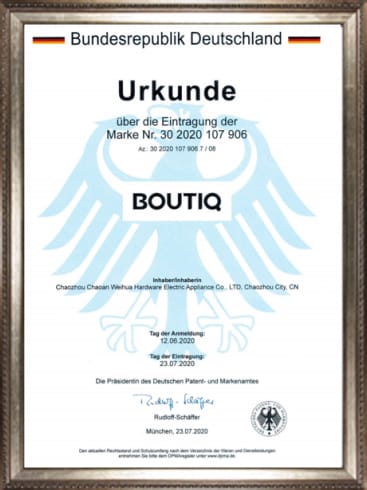
German Registered Trademark: BOUTIQ
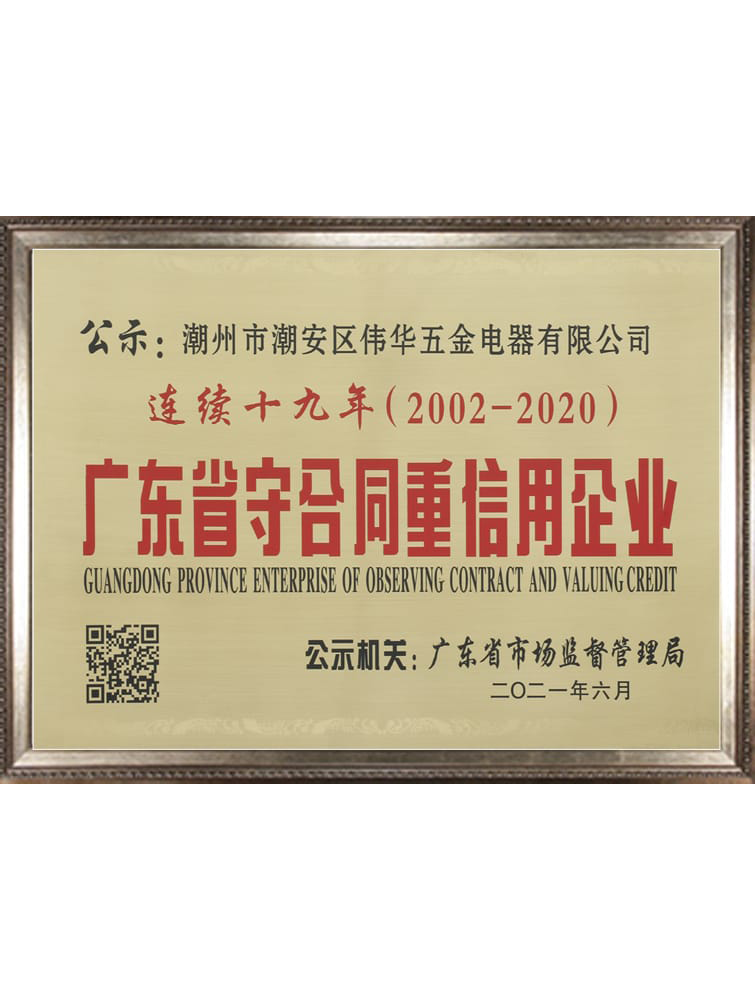
19-Year Guangdong Contract-Abiding & Credit-Worthy Enterprise
Adapting multi-layer cookware technology to diverse regional cooking techniques and future industry standards.
Cookware performance cannot be measured in a vacuum; it must be evaluated across localized cooking practices. The 3-ply capsule bottom 6pcs set offers high thermal flexibility, making it adaptable to diverse global culinary environments:
Requires sustained heat retention without burning thick starches. The 4.0mm-6.0mm aluminum core acts as a thermal buffer, ensuring even simmer control across extended multi-hour cooking windows.
Demands immediate temperature adjustment when reducing stocks or pan sauces. The high thermal conductivity of the pure aluminum core responds rapidly to flame modulation, providing chef-level control.
High-volume stockpot usage in commercial catering demands high base integrity to withstand physical impact from heavy ladles and extreme thermal cycling during rapid cold-water refilling.
Essential checklist parameters for global buyers and answers to key industry technical questions.
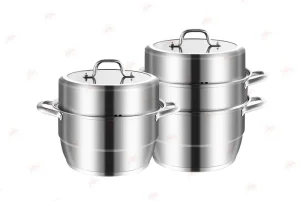
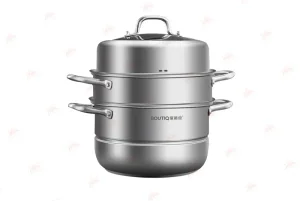
Explore our broader range of multi-layer steamers, mixing basins, stockpots, and designer cookware sets.
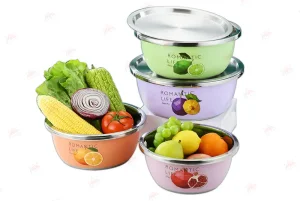
 Weihua Hardware