 Weihua Hardware
1. Global Kitchenware Sales Landscape & Sourcing Dynamics
The global kitchenware industry is undergoing a structural paradigm shift driven by evolving consumer culinary habits, the expansion of the HoReCa (Hotels, Restaurants, and Catering) sector, and rising demand for health-conscious, non-reactive cooking surfaces. Corporate buyers, big-box retailers, and brand owners seeking custom kitchenware sales companies & quotes must evaluate suppliers beyond mere unit price. Sourcing decisions now require holistic analysis of total cost of ownership (TCO), material purity, structural thermal efficiency, and supply chain resilience.
Strategic Sourcing Insight: Modern enterprise procurement strategies prioritize OEMs capable of multi-layer cladding technologies (Tri-Ply SS304/Alu/SS430), automated precision drawing, and low carbon footprint export logistics. Companies with full in-house tooling and 6S operational management yield up to 23% higher cost efficiency across multi-year purchase orders.
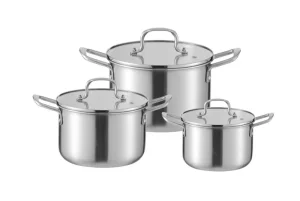
Transition from mono-ply cookware to multi-layered cladding (Tri-ply and 5-ply). Stainless steel 304 (18/8) food-grade interiors eliminate food reactivity, while aluminum core layers optimize lateral heat distribution to prevent hot spots, reducing energy consumption by up to 30% on modern induction hobs.
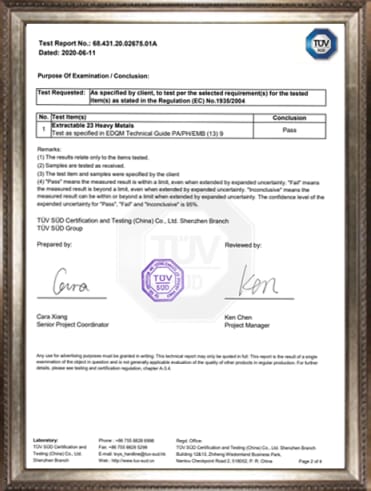
Global regulatory pressure (European LFGB, US FDA, Regulation EC 1935/2004) requires stringent testing against heavy metal leaching (Nickel, Chromium, Lead). B2B procurement demands verified chemical migration certifications and zero-PFOA ceramic non-stick formulations.
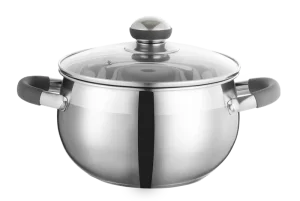
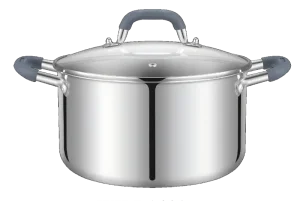
Commercial kitchens demand athermic handles, impact-bonded heavy capsule bottoms, and heavy-duty satin finishes capable of surviving commercial dishwasher cycles, while retail channels focus on ergonomic aesthetics like silicone rim glass lids, rose gold PVD accents, and custom shelf-ready gift packaging.