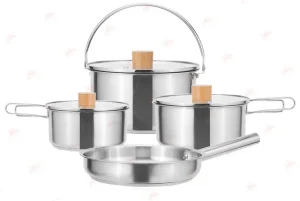
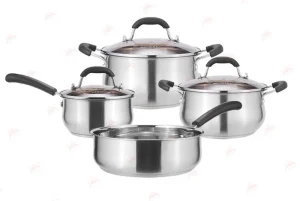
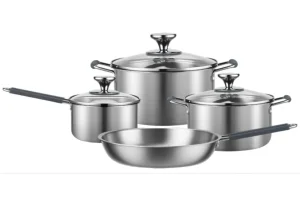
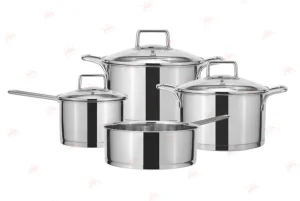
In the high-stakes global commercial culinary equipment sector, the structural design and thermodynamic efficiency of cookware handles represent a critical point of engineering differentiation. B2B buyers, institutional procurement directors, and premium brand managers increasingly target hollow stainless steel handle cookware to reconcile the competing demands of structural longevity, ergonomic safety, and aesthetic sophistication. Unlike solid handles that act as efficient thermal conductors—rapidly transferring heat from the vessel wall to the user's hand—hollow handles utilize structural thermodynamics to create an internal air insulating cavity.
From a metallurgical standpoint, high-grade austenitic stainless steel alloys such as AISI 304 (18/8) and AISI 316 provide superior yield strength and exceptional corrosion resistance against thermal stress and aggressive cleaning agents. However, when deployed in continuous high-heat environments like commercial restaurant lines or industrial catering, handle heat management becomes paramount. By engineering a precision hollow core through advanced hydroforming or tubular stamping and seam-welding, manufacturers achieve up to a 45% reduction in overall handle thermal conductivity while simultaneously cutting vessel tare weight, enhancing operator comfort, and lowering raw material mass without compromising tensile stability.
Hollow stainless steel handles function as passive thermal breaks. The encapsulated air mass within the handle tube exhibits extremely low thermal conductivity (~0.026 W/m·K at room temperature). Combined with a minimal contact footprint at the vessel junction point (achieved via precision multi-spot welding or hollow cast rivets), thermal energy conduction is constrained to negligible rates during active stovetop operations.
Modern China OEM factories deploy automated capacitive discharge resistance spot-welding and TIG laser welding to attach hollow handles. This avoids puncturing the cookware interior wall, ensuring smooth 100% hygienic interior surfaces that meet rigorous global food safety standards while maintaining mechanical shear forces exceeding 1,200 N.
China's Guangdong stainless steel manufacturing cluster—centered in Chaozhou—offers unparalleled ecosystem integration. From immediate access to high-grade cold-rolled stainless coils to specialized automated tube-bending, stamping, and automated polishing facilities, local production networks deliver massive economies of scale and short procurement lead times.
As the commercial kitchenware landscape shifts toward energy efficiency, ergonomic workplace safety, and eco-friendly circular product lifecycles, global enterprise buyers must evaluate cookware manufacturers against multi-dimensional compliance and technical metrics. Below are key macro trends driving procurement decisions:
Modern cookware pairs lightweight hollow handles with multi-layer encapsulated base structures (e.g., 3-ply 304 Stainless Steel + Pure Aluminum Core + 430 Magnetic Stainless Steel). This configuration ensures high-speed, uniform induction heating alongside ergonomic handling.
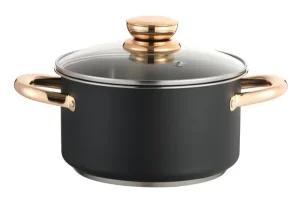
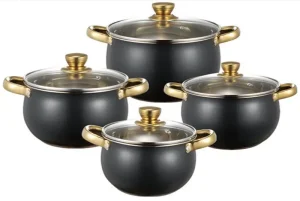
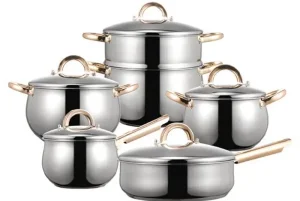
Global retail channels increasingly demand premium visual options. Advanced Physical Vapor Deposition (PVD) gold, rose gold, and matte black ceramic coatings applied onto hollow stainless steel handles offer scratch-resistant luxury finishes designed for high-end retail display.
Leading Chinese exporters adopt 100% recyclable stainless steel alloys, solar-powered factory infrastructure, zero-discharge electro-polishing units, and plastic-free bio-based export packaging to help international brand owners satisfy European and North American Scope 3 emissions mandates.
Established in 1997, Chaozhou Chaoan Weihua Hardware and Electrical Appliances Co., Ltd. is located in Chaozhou, a beautiful and prosperous city in South China. It owns a factory area of 350,000 square feet, 35 automated production lines, and 300+ employees.
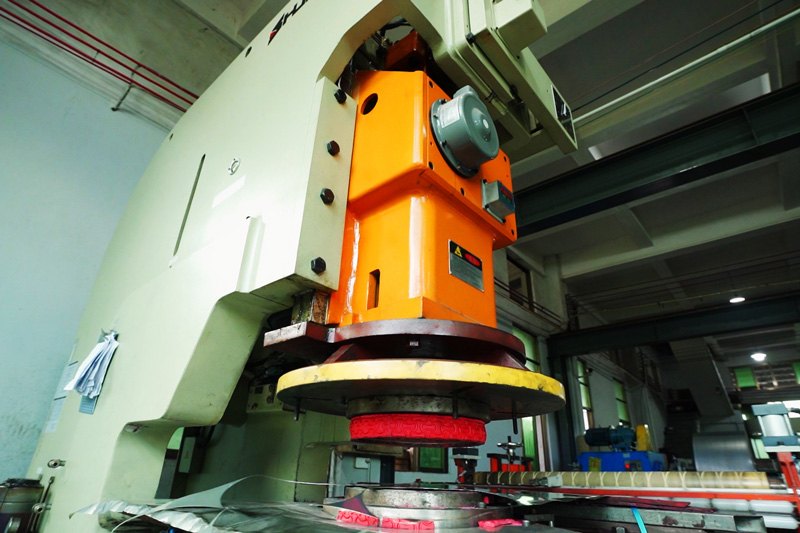
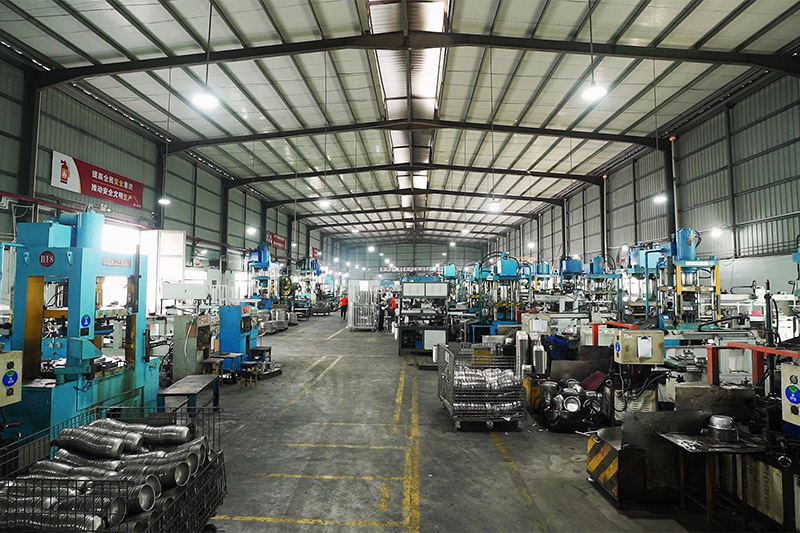
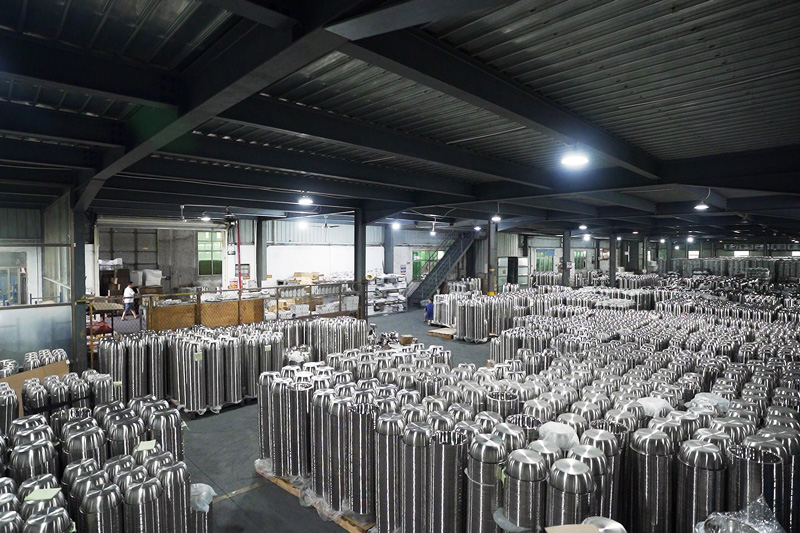


We continuously learn, absorb, and transform, always exploring new technical possibilities. With a consumer-oriented approach, we are dedicated to enhancing our customers' quality of life through engineered handle dynamics and cookware ergonomics.
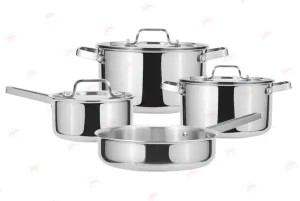
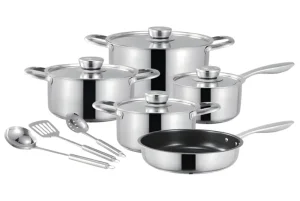
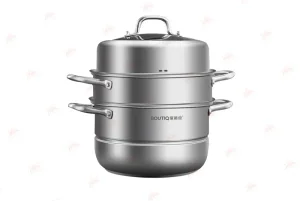
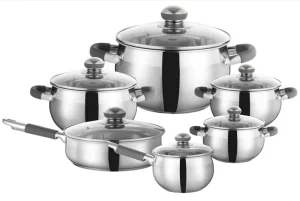
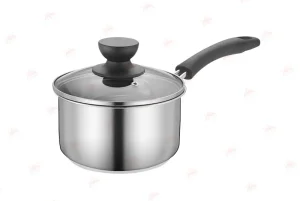
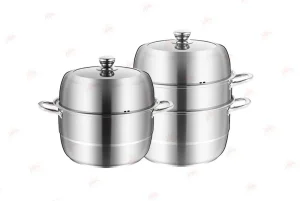
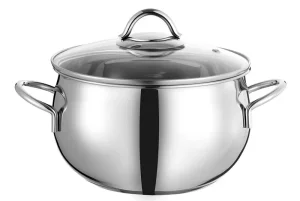
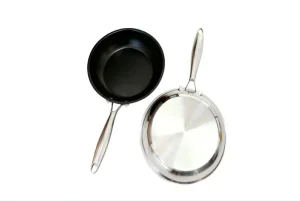
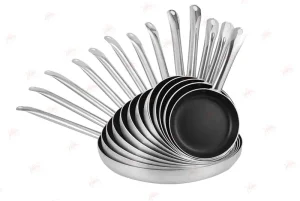
We focus exclusively on manufacturing stainless steel cookware (casserole, steamer, soup pots, frying pan) and professional stainless steel bowls (salad bowls, soup bowls, mixing bowls).
Weihua implements 6S management to comprehensively improve manufacturing operational efficiency, eliminate raw material waste, and maximize global cost competitiveness.
Over 60% of our enterprise clients have cooperated with Weihua for more than 10 years, achieving dominant market share in both domestic China and international wholesale markets.
Weihua products strictly comply with international food contact regulations, safety protocols, and quality verification standards across North America, Europe, and Asia-Pacific.
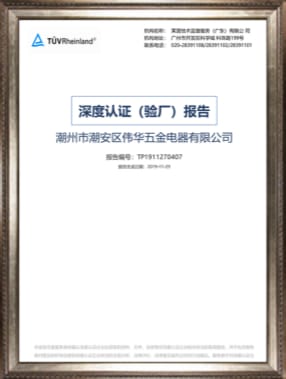
TUV Rhineland Certified
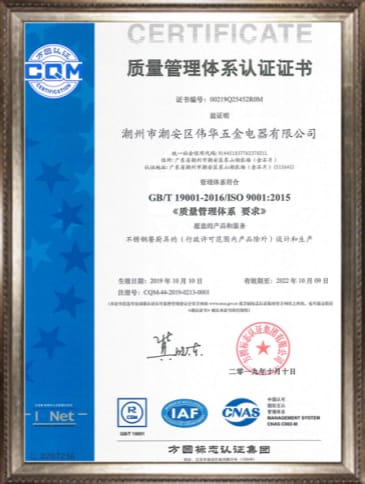
ISO-9001:2015 Quality System
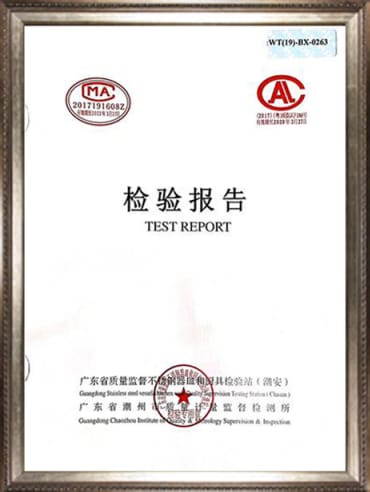
CMA China Inspection
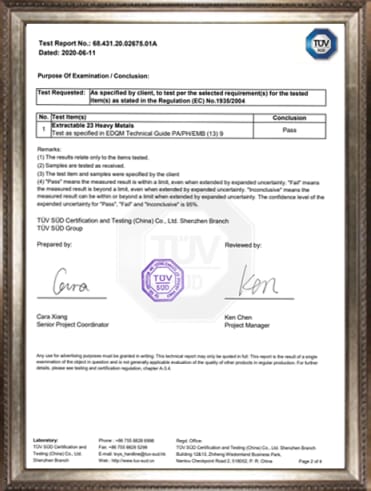
Germany LFGB Approved
Germany LFGB Food Safety
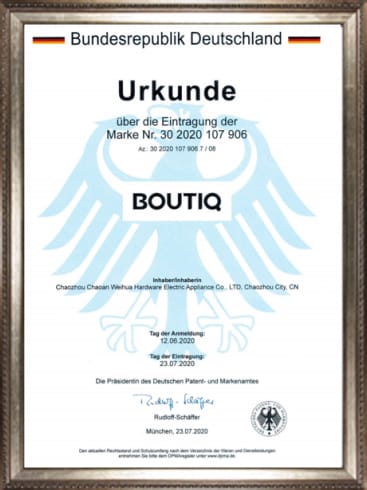
German Trademark: BOUTIQ
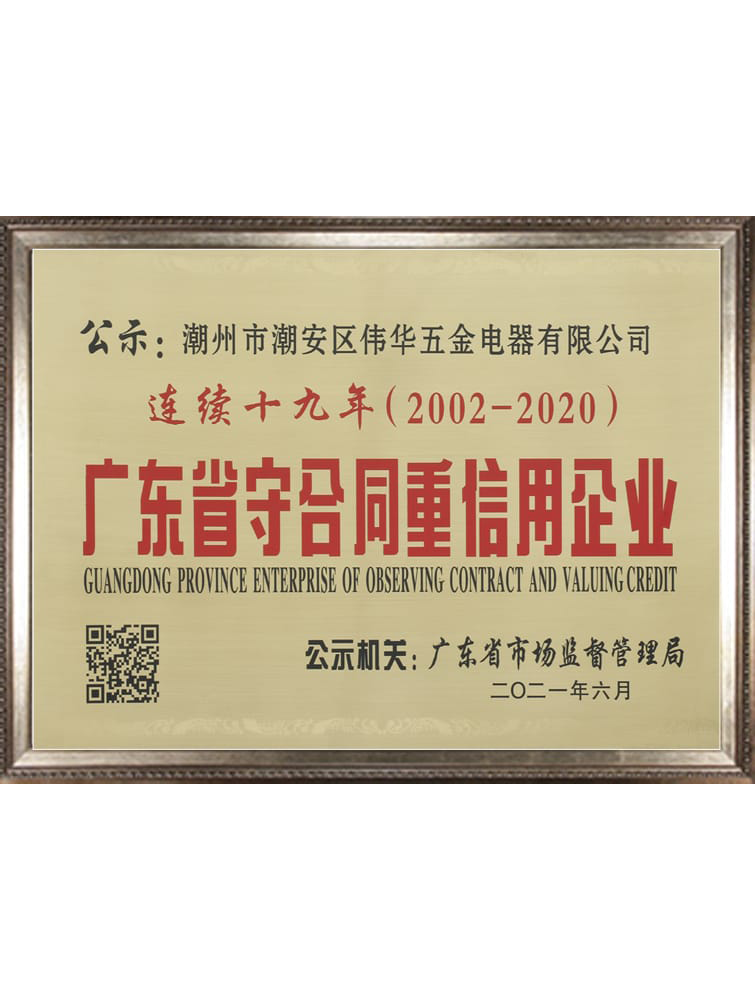
19 Years Credit-Worthy Enterprise
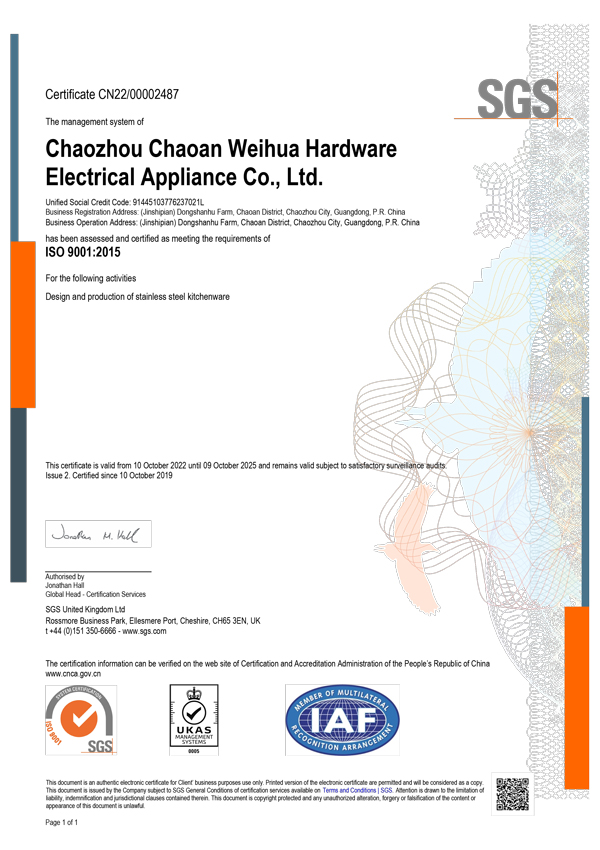
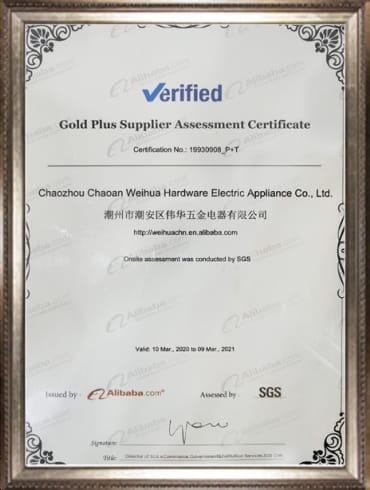
Factory Audit Verified
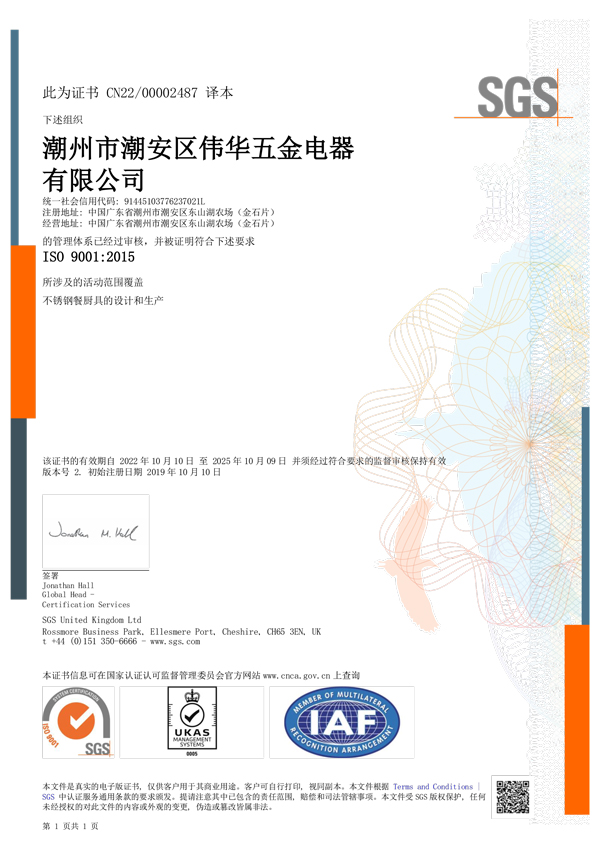
Compliance Quality Mark
Hollow stainless steel handle cookware adapts seamlessly to diverse commercial and consumer culinary application environments:
In high-volume restaurant kitchens, cookware handles must remain safe to touch without requiring continuous cloth padding. Hollow stainless handles dissipate heat rapidly during intense stovetop service, protecting kitchen staff while withstanding commercial dishwashers and high-concentration chemical sanitizers.
For high-end consumer kitchenware brands, hollow stainless handles offer a sleek modern silhouette, superior balance, and a premium weight-to-strength ratio. Custom options including laser engraved logos, rose gold PVD accents, and ergonomic finger grips provide distinct retail shelf appeal.
Lightweight hollow handle designs drastically lower total kit pack weight for specialized outdoor cooking sets, stockpots, and multi-tier steamers, offering high mobility for institutional catering operators and outdoor leisure enthusiasts.
 Weihua Hardware