Explore top-tier multi-layer stainless steel cookware sets, stock pots, and frypans manufactured for international commercial and retail distribution.
Evaluating shifting procurement models, structural alloy innovations, and contract manufacturing strategies for enterprise B2B buyers.
The global commercial and residential cookware market is experiencing a profound paradigm shift driven by evolving culinary standards, stringent global safety compliance, and rapid advancements in metallurgical bonding techniques. As global brand owners, institutional importers, and retail chains search for the best top cooking pan brands manufacturers & suppliers, evaluating manufacturing capabilities extends far beyond traditional cost-per-unit metrics. Today's procurement strategies prioritize multi-layer thermal responsiveness, automated tolerance control, non-toxic eco-coatings, and seamless OEM/ODM mass customization.
The global cookware market is broadly divided into three core industrial tiers: Tier-1 Legacy Brands, Specialized Private-Label Contract Manufacturers, and Direct Industrial OEM/ODM Complexes. While legacy Western brands maintain strong retail mindshare, over 82% of global premium stainless steel, tri-ply, and non-stick pans are manufactured through strategic industrial partnerships in Asia—specifically within advanced hardware manufacturing clusters like Guangdong, China.
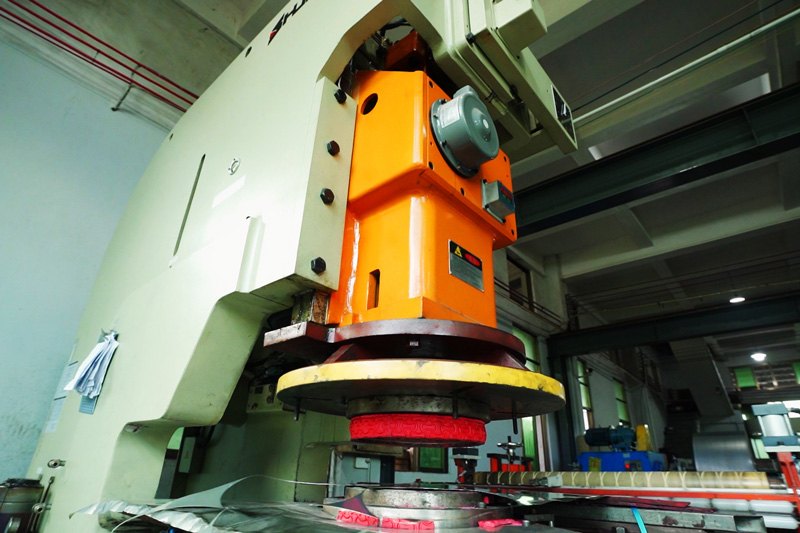
For B2B buyers—ranging from departmental retail brands and ecommerce private-label sellers to hotel, restaurant, and catering (HoReCa) equipment distributors—identifying suppliers with fully integrated supply chains is critical. A tier-one supplier must possess in-house deep-drawing presses, automated polishing lines, rigorous metal testing labs, and certified quality management systems (ISO 9001, LFGB, FDA, TUV).
Modern enterprise buyers are moving away from off-the-shelf purchasing toward custom-engineered ODM solutions. By leveraging direct factory R&D, global brands can rapidly commercialize unique handle ergonomics, specialized exterior finishes (such as PVD gold, matte color coatings, and satin brushing), and optimized base geometries tailored for induction efficiency.
Why Guangdong's Stainless Steel Industrial Cluster sets the global benchmark for cookware production economics and speed-to-market.
In global B2B procurement, supply chain efficiency relies heavily on geographic clustering. Chaozhou, located in South China's Guangdong province, stands as one of the world's premier stainless steel hardware manufacturing hubs. The concentration of raw material cold-rolling mills, specialized tooling workshops, surface treatment chemical suppliers, and export packaging facilities creates an unprecedented industrial synergy.
Direct proximity to top-tier steel mills allows instant sourcing of premium SUS304 (18/8), SUS316, and magnetic SUS430 stainless steel coils, minimizing freight overhead and price volatility.
Automated deep-drawing hydraulic presses and robotic edge trimming ensure unit-to-unit consistency, keeping defect rates below 0.05% across mass production runs.
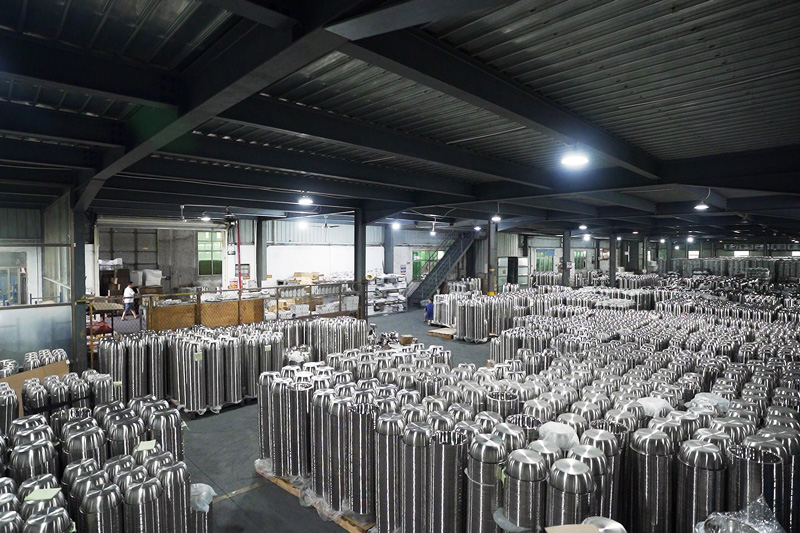
Direct highway links to Shenzhen and Guangzhou ports paired with expansive Ready-to-Ship (RTS) warehouses enable agile fulfillment for large-scale enterprise contracts.
A quarter-century of engineering excellence in stainless steel cookware manufacturing and global OEM services.
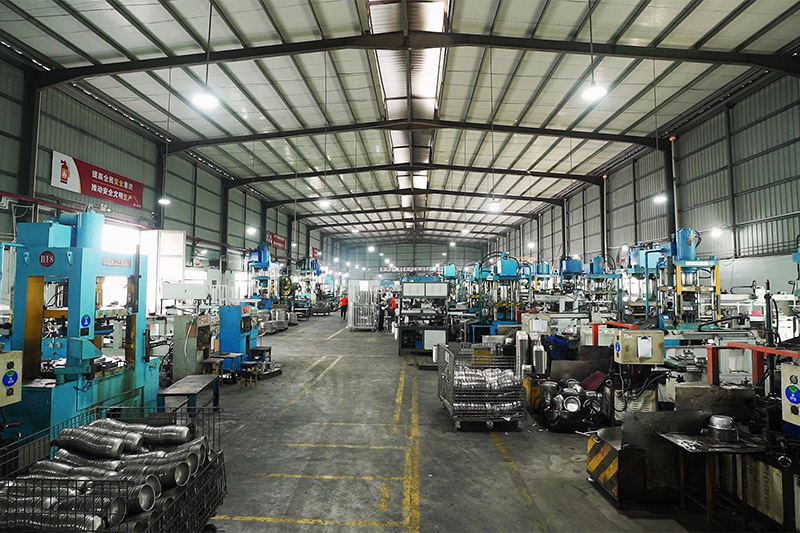
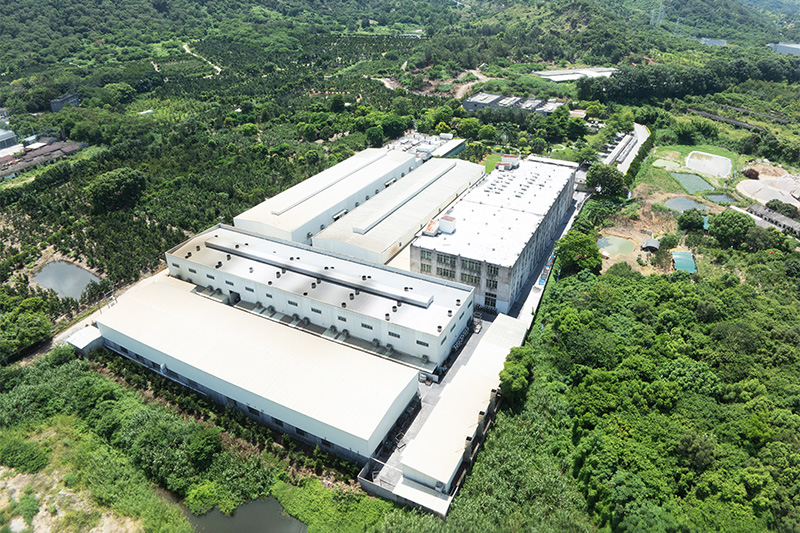
Established in 1997, Chaozhou Chaoan Weihua Hardware and Electrical Appliances Co., Ltd. has grown into a premier manufacturing enterprise in South China. Spanning an expansive production area of 350,000 square feet, the facility houses 35 automated production lines operated by a skilled workforce of over 300 dedicated employees and engineers.
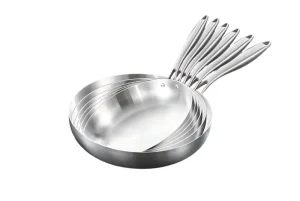
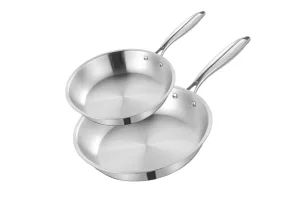
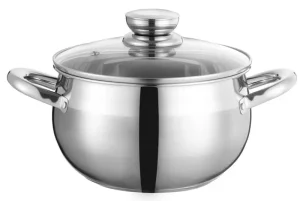
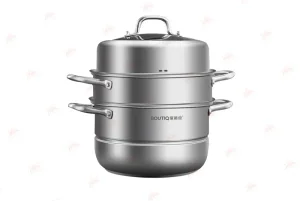
Weihua specializes exclusively in the design, development, and high-volume production of premium stainless steel cookware—including multi-ply casseroles, steamers, stock pots, frying pans, and precision-engineered mixing bowls. Through decades of technological iteration, Weihua has integrated modern 6S Management Systems to continuously enhance production throughput, minimize raw material waste, and guarantee immaculate surface finishing.

Understanding the heat-conduction physics, alloy selection, and structural resilience of modern professional cookware.
The culinary performance of a cooking pan relies entirely on its metallurgical composition. Premium manufacturers utilize sophisticated cladding processes to fuse dissimilar metals, creating composite cookware that combines the rapid heat conduction of aluminum with the durable, non-reactive properties of food-grade stainless steel.
Tri-Ply construction eliminates structural warping under high thermal shock while providing edge-to-edge heat uniformity. The composite layers typically consist of:
| Layer Position | Alloy Specification | Core Functionality | Engineering Advantage |
|---|---|---|---|
| Interior Contact Layer | SUS304 / 18/10 Stainless Steel | Food Contact Safety & Resistance | Non-reactive to acidic ingredients, mirror/satin polish, zero heavy metal leaching. |
| Core Thermal Layer | 1050 / 3003 Pure Aluminum | Rapid Heat Absorption & Diffusion | Distributes thermal energy evenly across bottom and sidewalls; eliminates hot spots. |
| Exterior Induction Layer | SUS430 / 18/0 Magnetic Steel | Induction Field Coupling | High magnetic permeability; compatible with induction, gas, electric, and ceramic hobs. |
Professional kitchen applications demand heavy-duty, athermic handles that remain cool to the touch during extended stovetop operation. Weihua offers three specialized handle architectures for global brand customization:
Ensuring full regulatory compliance across North American (FDA), European (LFGB, TUV), and Asian commercial standards.
To enter demanding international markets, cookware manufacturers must maintain transparent compliance records. Weihua implements strict raw material batch testing, checking chemical composition via X-ray fluorescence (XRF) spectroscopy before production begins. All products undergo severe thermal shock testing, handle torque stress tests, and salt spray corrosion evaluations.
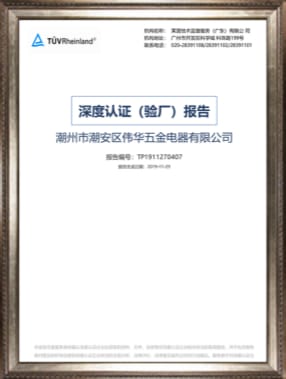
TUV Rheinland Certified Quality
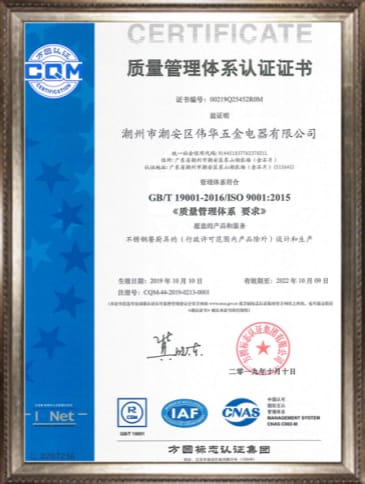
ISO-9001:2015 Management System
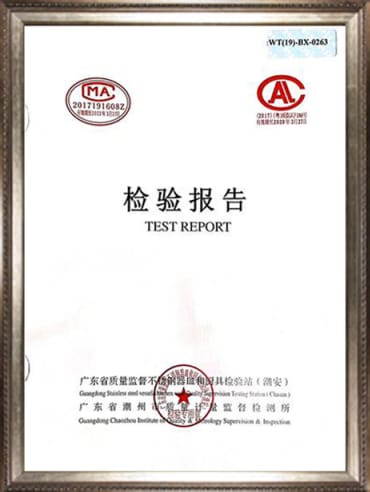
CMA China Inspection Approved
Germany LFGB Food Safety
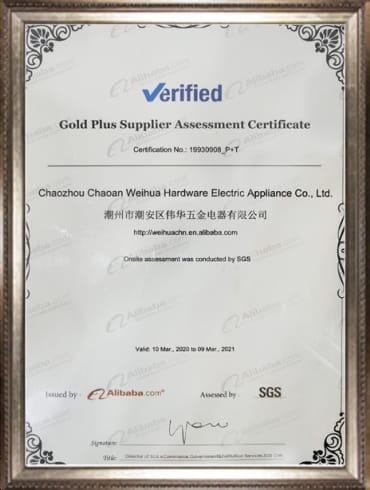
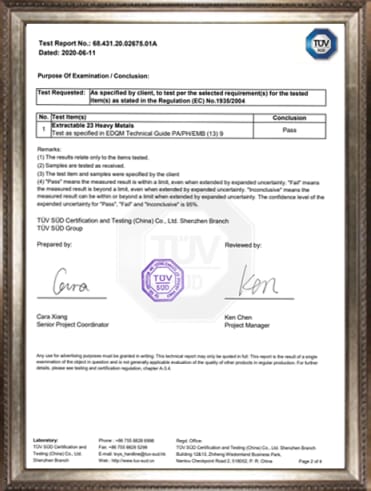
LFGB Chemical Contact Passed
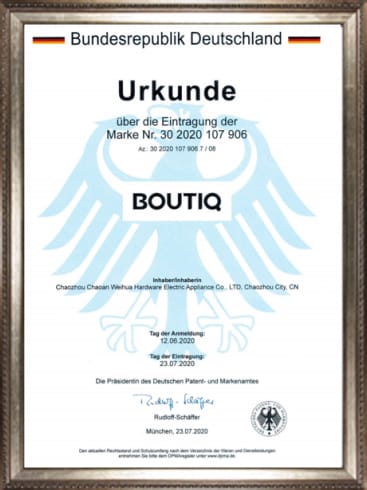
German Registered Brand: BOUTIQ
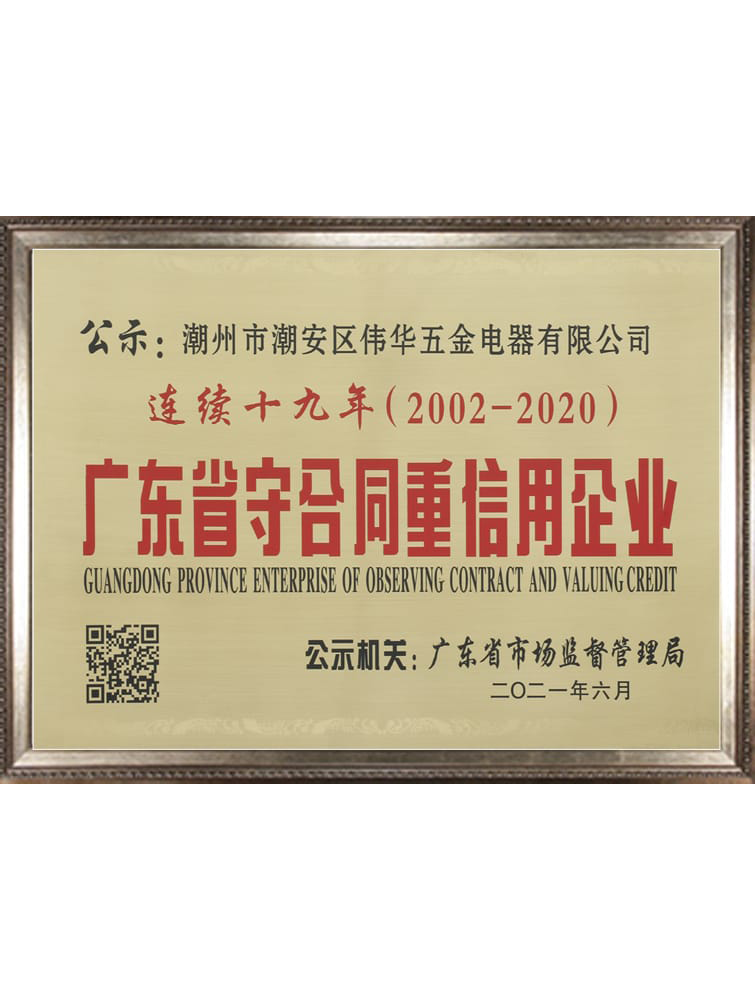
19 Years Guangdong Credit Award
How target market preferences dictate cookware design, body geometry, handle selection, and surface finishing.
Understanding regional culinary habits is vital when configuring wholesale cookware product lines. A pan tailored for North American commercial fryers requires different rim geometry and handle riveting compared to a multi-tiered steamer designed for East Asian markets.
Preference: Heavy-gauge 3-ply and 5-ply stainless steel skillets, deep sauté pans, and stock pots with long cast handles.
Design Priority: Commercial dishwasher durability, high oven-safe ratings, brushed satin interiors to minimize visible scratches from metal utensils.
Preference: Eco-friendly ceramic-coated pans, energy-efficient induction bottoms, sleek straight-sided cookware with silicone accents.
Design Priority: Strict LFGB heavy metal non-leaching compliance, PFOA/PFAS-free ceramic coatings, recyclable minimalist color box packaging.
Preference: Large belly-shaped casserole pots, high-capacity multi-layer steamers, and decorative matte black cookware with gold/rose-gold accent handles.
Design Priority: Maximum volume-to-weight ratio, multi-layer encapsulated impact-bonded bases for gas stove thermal retention.
Preference: Multi-tiered stackable stainless steel steamers, Korean-style double-wall salad bowls, and lightweight stir-fry pans.
Design Priority: Precision steam vents, rapid boiling induction bottoms, high corrosion resistance to saltybroths.
Key parameters for supply chain managers, brand directors, and wholesale importers evaluating manufacturing partners.
Navigating direct factory procurement requires evaluating critical manufacturing metrics. Enterprise buyers should verify the following capabilities prior to finalizing OEM/ODM contracts:
Technical, logistical, and commercial inquiries answered by senior cookware manufacturing experts.
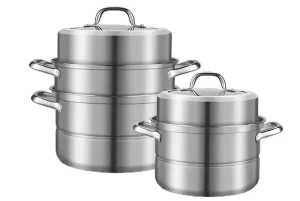
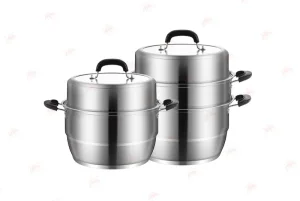
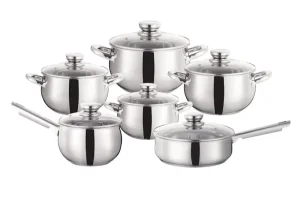
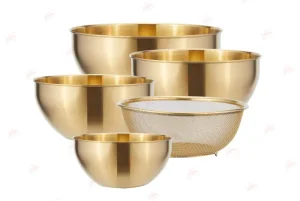
Browse our additional specialized steamer sets, non-stick coated straight pans, and Korean-style bowl lines available for worldwide export.
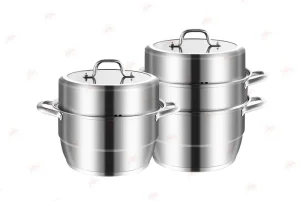
 Weihua Hardware