High-grade tri-ply and encapsulated-base belly pots engineered for professional hospitality, high-volume catering, and private-label retail distribution.
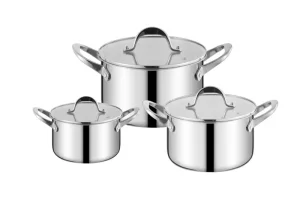
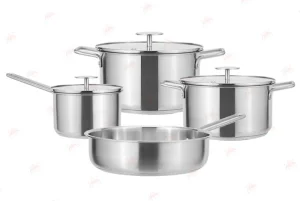
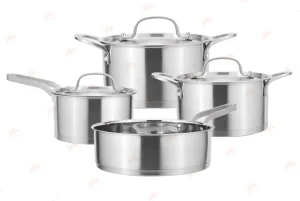
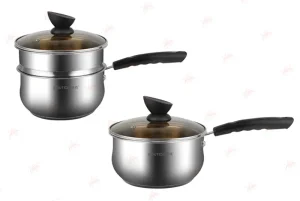
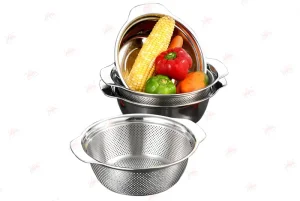
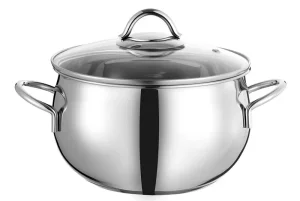
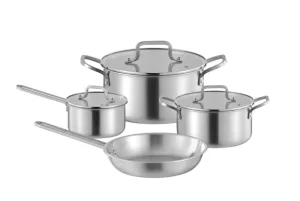
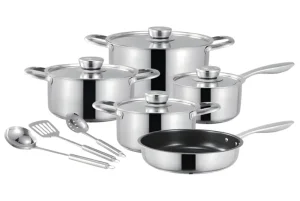
In the global commercial cookware and kitchenware manufacturing domain, the stainless steel belly pot (also known as the apple-shape or curved-body pot) has established itself as an indispensable staple across both institutional foodservice establishments and premier retail consumer markets. Enterprise procurement directors, OEM brand managers, and B2B importers evaluating manufacturing partners must look beyond basic aesthetic appeal to understand the underlying thermodynamic efficiency, structural integrity, and material compliance that distinguish world-class OEM/ODM factories from generic suppliers.
The convex geometry of a belly pot increases internal surface contact area by up to 14.8% compared to standard straight-walled cylinders of identical height. This geometry induces natural fluid circulation currents (Rayleigh-Bénard convection), accelerating heat dispersion while mitigating thermal hot spots that lead to localized food scorching.
From an engineering standpoint, the curved body of a stainless steel belly pot offers distinct mechanical and thermal advantages:
International market trends demonstrate a clear shift toward multi-clad (tri-ply) and impact-bonded encapsulated base belly pots. In European and North American consumer markets, buyers prioritize induction compatibility (AISI 430 magnetic stainless steel bases) paired with food-contact safety compliance under German LFGB and US FDA frameworks. Concurrently, emerging commercial markets in Latin America, the Middle East, and Southeast Asia demand heavy-gauge, corrosion-resistant AISI 304 (18/8 or 18/10) cookware that withstands intense gas burner thermal cycles.
Strict adherence to LFGB, DIN 44904 thermal testing, and high-gloss mirror or satin interior finishes targeted at premium department store brands.
Impact-bonded encapsulated bases featuring high-purity aluminum cores sandwiched between 304 stainless steel and magnetic 430 stainless steel.
Reinforced double-riveted or spot-welded hollow handles designed to remain athermic (cool to touch) during prolonged industrial simmering.
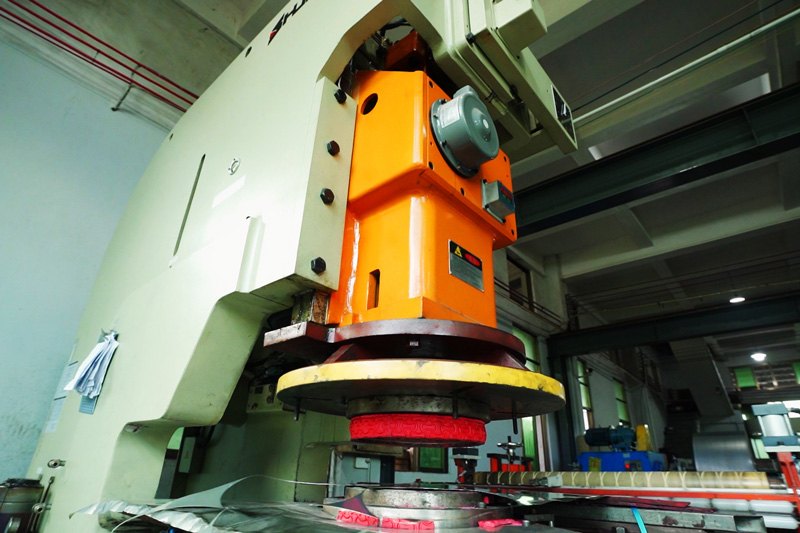
Evaluating the manufacturing caliber of stainless steel belly pot factories requires an in-depth understanding of raw material selection and metallurgical bonded construction. Leading manufacturers leverage high-tonnage friction forging presses to achieve seamless impact bonding.
Below is a technical comparison of standard stainless steel alloys used across body, cladding, and base construction in modern OEM factories:
| Material Grade | Composition (Cr / Ni / Other) | Corrosion Resistance | Thermal Conductivity | Induction Suitability | Primary Application |
|---|---|---|---|---|---|
| AISI 304 (18/8 - 18/10) | 18% Cr / 8-10% Ni | Excellent (Pitting resistant) | 16.2 W/m·K | Non-Magnetic (Requires Base) | Interior Belly Pot Wall & Rim Body |
| AISI 316 (18/12 + Mo) | 16-18% Cr / 10-14% Ni / 2-3% Mo | Superior (Acid & Salt resistant) | 16.3 W/m·K | Non-Magnetic | Medical & High-Acid Commercial Cookware |
| AISI 430 (18/0 Ferritic) | 16-18% Cr / <0.75% Ni | Moderate (Standard environments) | 25.0 W/m·K | Highly Magnetic | External Encapsulated Bottom Plate |
| AL 1050 / 1100 Pure Al | 99.5% Pure Aluminum Core | N/A (Encapsulated) | 222.0 W/m·K | N/A | Impact-Bonded Thermal Spread Core |
| Tri-Ply Clad (3-Layer) | 304 Interior / Al Core / 430 Exterior | Excellent Interior & Exterior | Uniform Lateral Diffusion | 100% All Cooktops | Premium Seamless Belly Pot Shells |
A primary quality differentiator among belly pot factories is the method used to affix the bottom heating capsule. Low-cost factories utilize traditional brazing with flux paste, which risks air pockets, delamination, and bottom detachment under high heat. Superior factories employ Friction-Forging Impact Bonding operating at 1,500 to 2,500 tons of hydraulic pressure.
Established in 1997 | 350,000 Sq. Ft Production Base | Global B2B Cookware Manufacturing Partner
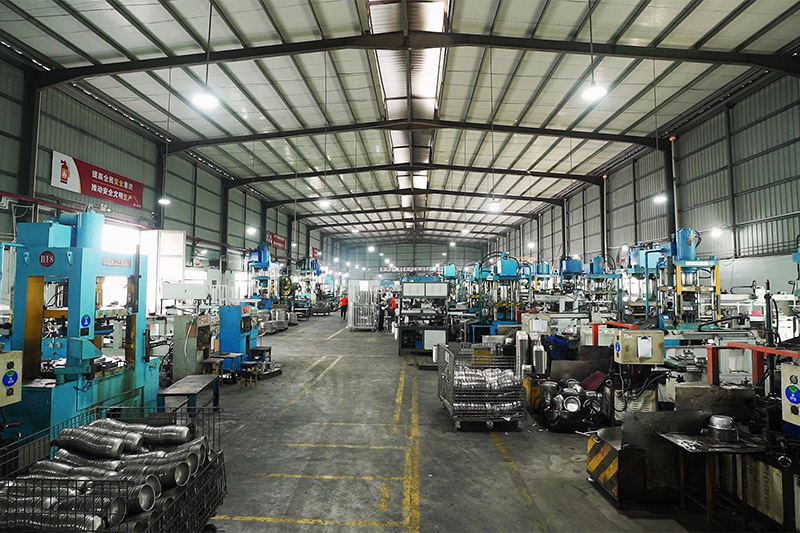
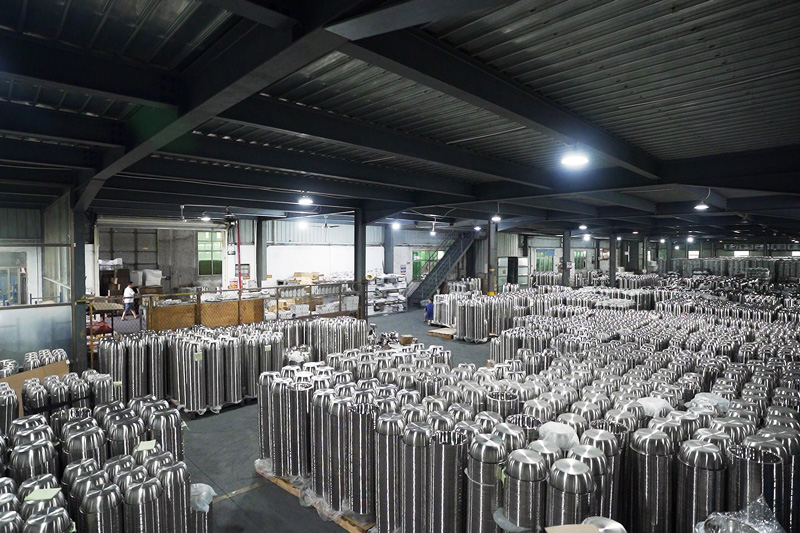
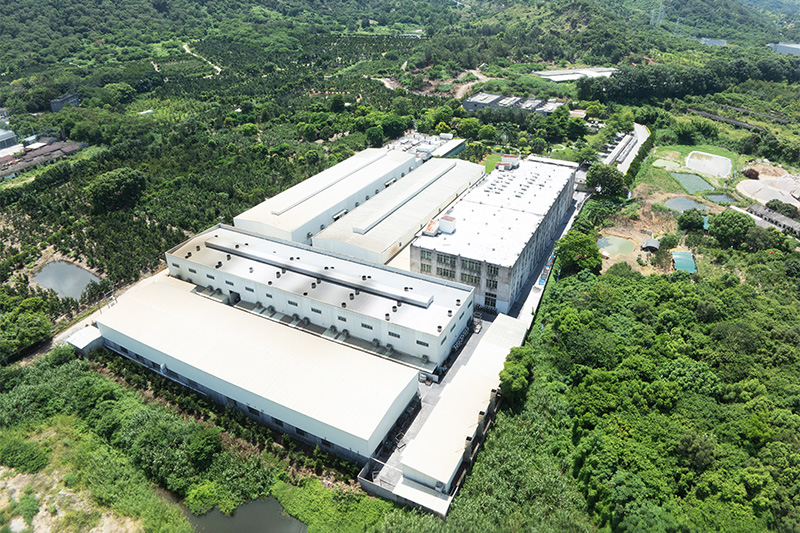
Established in 1997, Chaozhou Chaoan Weihua Hardware and Electrical Appliances Co., Ltd. is located in Chaozhou, a beautiful and prosperous city in South China. It owns a factory area of 350,000 square feet, 35 automated production lines, and 300+ highly skilled employees. Operating with state-of-the-art hydraulic deep-drawing presses, automated mirror-polishing cells, and strict 6S operational management, Weihua is recognized as a premier OEM/ODM supplier of stainless steel belly pots, cookware sets, casseroles, steamers, and mixing bowls globally.
Nearly three decades of continuous manufacturing innovation and global expansion

Why leading global cookware brands, department store chains, and commercial caterers choose Weihua
We continuously learn, absorb, and transform manufacturing techniques, exploring new ergonomic and thermodynamic possibilities. Focused on a consumer-oriented approach to enhance kitchen efficiency worldwide.
We focus exclusively on manufacturing high-performance stainless steel cookware (casserole, steamer, belly soup pots, frying pans) and precision bowls (salad bowls, soup bowls, colanders).
Weihua implements strict 6S management system standards across all 35 production lines to comprehensively boost operational efficiency, minimize material waste, and enhance cost competitiveness.
Over 60% of our global corporate partners have maintained continuous OEM cooperation with Weihua for more than 10 years, reflecting high market share and trust across domestic and international trade sectors.
Rigorously tested and certified to comply with global food safety, quality management, and international trade standards.
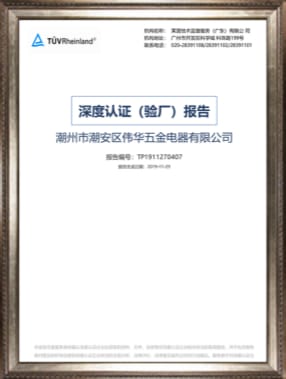
TUV Rheinland Certified
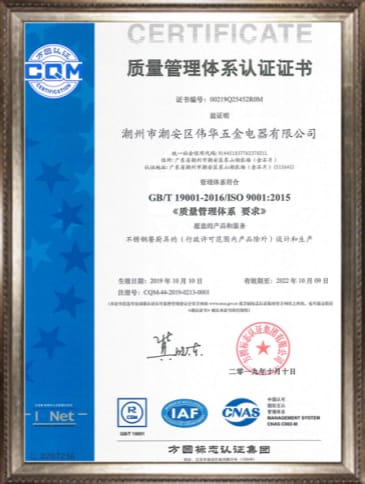
ISO-9001:2015 Quality Mgmt
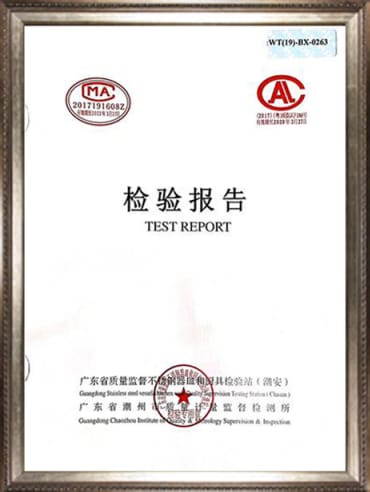
CMA China Accredited
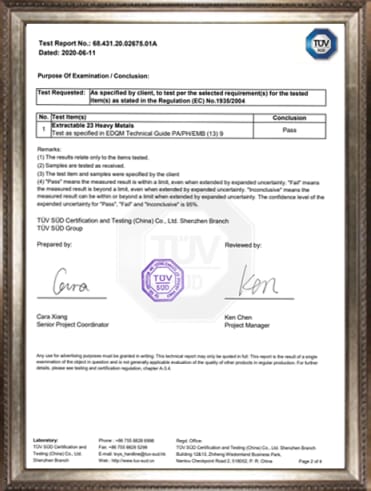
Germany LFGB Food Grade
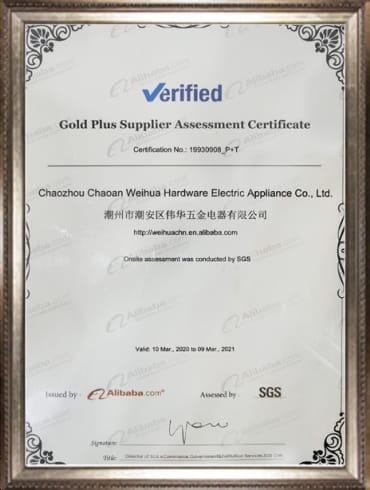
LFGB Safety Protocol
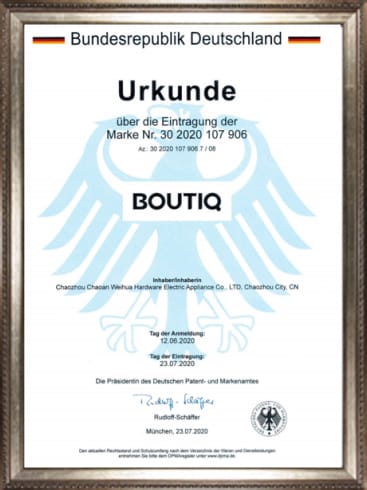
German Trademark: BOUTIQ
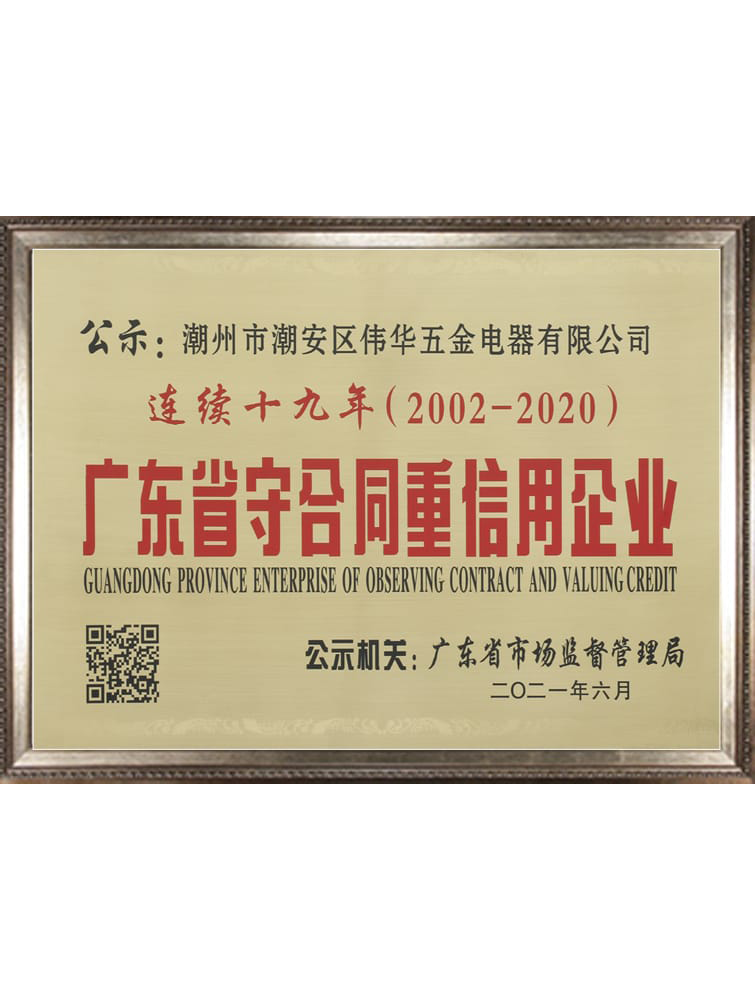
19 Years Contract-Abiding Enterprise
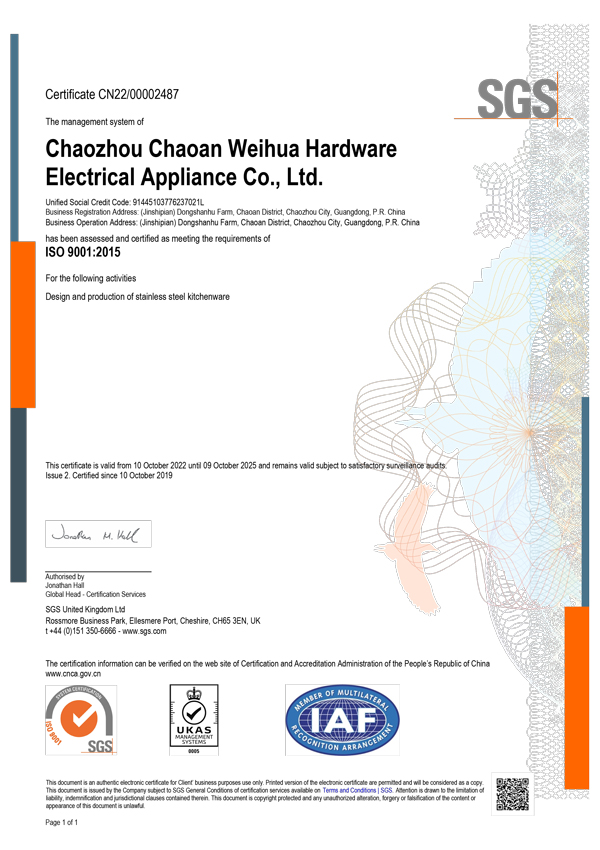
Factory Inspection Standard
When selecting a stainless steel belly pot supplier, B2B procurement managers must tailor technical specifications to distinct regional markets and commercial application environments. A belly pot deployed in a high-volume hotel buffet in Frankfurt requires different structural parameters than one destined for a retail e-commerce brand in North America.
In high-intensity restaurant and hotel kitchens, pots undergo continuous 12-to-18-hour cooking cycles over high-output gas burners or high-wattage commercial induction hobs. Key technical demands include:
Consumer-facing brands selling through department stores, TV shopping channels, or Amazon FBA prioritize visual aesthetics, unboxing experiences, and multi-piece set configuration agility:
To guarantee long-term brand equity, quality control teams should execute a three-stage audit protocol prior to issuing production purchase orders:
| Audit Stage | Key Testing Parameter | Methodology & Acceptance Criteria |
|---|---|---|
| 1. Metallurgical Audit | Spectrometer XRF Material Verification | Ensure Ni content ≥ 8.0% for 304 grade. Zero heavy metal leaching compliance under EU 2020/1244. |
| 2. Thermal Shock Test | Rapid Heating & Water Quench | Heat empty base to 250°C; submerge instantly into 20°C water. Zero delamination or base concavity permitted. |
| 3. Joint Structural Shear | Handle Weld Torque & Tension Test | Apply minimum 800 N tensile force to handles. Zero joint failure or wall cracking at weld points. |
| 4. Surface Integrity | Salt Spray Fog Test (ASTM B117) | Continuous 5% NaCl salt spray for 48 to 96 hours. Zero rusting, pitting, or surface oxidation. |
The stainless steel cookware manufacturing industry is undergoing rapid technological convergence, integrating advanced industrial robotics, green metallurgy, and precision surface engineering. Forward-thinking buyers are partnering with factories at the forefront of these advancements:
Transitioning from manual spot welding to automated 6-axis fiber laser seam welding. Delivers 40% higher tensile joint strength and eliminates internal handle rivet heads for superior hygiene.
Replacing traditional acid-pickling compounds with closed-loop electro-polishing cells that reduce hazardous wastewater generation by 92% while boosting surface micro-smoothness.
Etching micro-hydrophobic patterns directly onto interior stainless steel belly pot surfaces, providing natural, non-stick cooking qualities without chemical PTFE/PFOA coatings.
Direct technical insights to simplify your cookware supplier evaluation and contract negotiations.
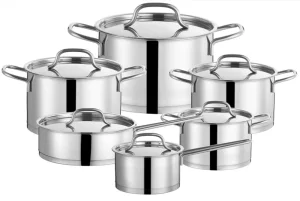
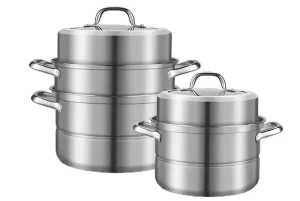
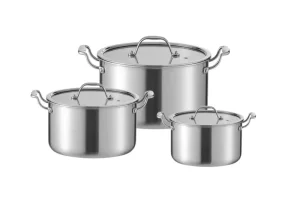
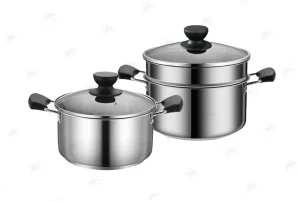
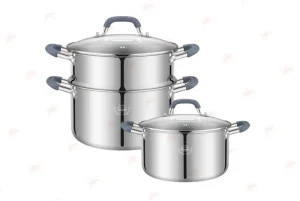
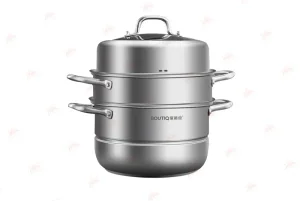
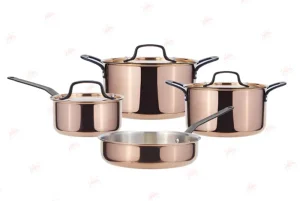
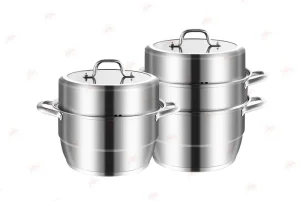
Explore our extended catalog of multi-layer stockpots, German-style sets, and heavy-duty steamer solutions.
 Weihua Hardware